Exploring Different Vaginal Rejuvenation Techniques
As women age, various factors such as hormonal changes, childbirth, and natural aging can affect vaginal health. For many, these changes can lead to discomfort, decreased sexual satisfaction, and a decline in overall quality of life. Fortunately, advancements in medical science have led to the development of various vaginal rejuvenation techniques designed to restore function and enhance sexual health. At Amore Medical in Altamonte Springs, FL, we are committed to providing safe and effective treatments tailored to the unique needs of women. In this article, we will explore different vaginal rejuvenation techniques, their effectiveness, and the importance of safety in these procedures.
Understanding Vaginal Rejuvenation
Vaginal rejuvenation encompasses a range of procedures aimed at restoring the vaginal area’s appearance, function, and comfort. These techniques can address issues such as vaginal laxity, dryness, and discomfort during intercourse, all of which can significantly impact a woman's sexual health and confidence. The primary goal of these procedures is to enhance sexual satisfaction and improve overall well-being.
Popular Vaginal Rejuvenation Techniques
There are several vaginal rejuvenation techniques available, each with its own set of benefits and considerations. Below are some of the most common approaches:
1. Laser Vaginal Rejuvenation
Laser vaginal rejuvenation is a non-invasive procedure that utilizes laser technology to stimulate collagen production in the vaginal walls. This technique can improve elasticity, reduce vaginal laxity, and enhance lubrication. Patients often report increased comfort and satisfaction during sexual activity following treatment. The procedure typically involves minimal downtime, making it a popular choice among women seeking rejuvenation.
The laser works by delivering targeted energy to the vaginal tissue, promoting natural healing processes. This not only tightens the vaginal walls but can also improve overall vaginal health. Patients can expect results that may last for up to a year or more, depending on individual factors such as age and hormonal changes.
During the procedure, patients may experience a warm sensation, but it is generally well-tolerated with little to no discomfort. Most clinics offer a topical anesthetic to ensure a more comfortable experience. After treatment, women are often advised to avoid sexual intercourse and strenuous activities for a short period, allowing the tissue to heal properly.
2. Radiofrequency (RF) Therapy
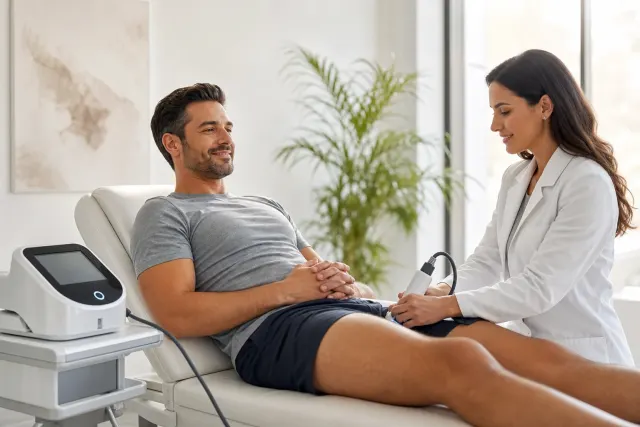
RF therapy is another non-invasive option that uses radiofrequency energy to heat the tissues of the vaginal area. This heat stimulates collagen production and promotes tissue tightening. Many women choose RF therapy to address issues such as vaginal dryness and laxity. The results can lead to improved sexual function and heightened pleasure during intercourse. Like laser treatments, RF therapy also has minimal recovery time.
One of the significant advantages of RF therapy is its versatility; it can be used on various areas of the body in addition to the vaginal region, such as the labia and perineum. The procedure typically lasts about 30 minutes, and patients can return to their daily activities immediately afterward. Some women report noticeable improvements after just one session, while others may benefit from a series of treatments for optimal results.
RF therapy can also be combined with other rejuvenation techniques to enhance results. For example, using RF therapy in conjunction with laser treatments can provide comprehensive rejuvenation by addressing both surface and deeper tissue concerns.
3. Platelet-Rich Plasma (PRP) Therapy
PRP therapy involves drawing the patient’s blood, processing it to concentrate the platelets, and then injecting the PRP into the vaginal area. This technique is believed to enhance tissue regeneration and improve sexual function. Many women report increased sensitivity and sexual satisfaction following PRP therapy. As it uses the patient’s own blood, the risk of allergic reactions is minimal, making it a safe option for vaginal rejuvenation.
The process starts with a simple blood draw, similar to routine lab tests. The blood is then placed in a centrifuge, which separates the platelets from other components. Once prepared, the PRP is injected into specific areas of the vaginal tissue, targeting regions that require rejuvenation.
Women undergoing PRP therapy often experience improvements in vaginal lubrication, which can be particularly beneficial for those experiencing menopausal symptoms. PRP is known to enhance clitoral sensitivity, leading to heightened sexual pleasure. While some women notice immediate results, the full benefits may take several weeks as the body gradually regenerates tissue.
4. Surgical Vaginal Rejuvenation
For women seeking more dramatic results, surgical options such as vaginoplasty or labiaplasty may be considered. Vaginoplasty involves tightening the vaginal canal, while labiaplasty focuses on reshaping the labia. These surgical interventions can provide significant improvements in vaginal tightness and aesthetics. However, they require a longer recovery time compared to non-invasive procedures and should be discussed thoroughly with a qualified healthcare provider.
Surgical vaginal rejuvenation is often recommended for individuals who have experienced significant changes due to childbirth, aging, or hormonal fluctuations. Candidates for surgery should have realistic expectations, understanding that while surgery can provide substantial improvements, it is not a solution for all vaginal health issues.
During the consultation, the surgeon will assess the patient’s needs and discuss potential risks, recovery time, and expected outcomes. Recovery from surgical procedures typically takes several weeks, during which patients are advised to avoid sexual activity and high-impact exercise. Results from surgical rejuvenation can be long-lasting, providing a boost in self-esteem and sexual satisfaction.
5. Combination Therapies
Many practitioners recommend a combination of the above techniques to achieve optimal results. For instance, a woman might opt for laser rejuvenation followed by RF therapy to enhance collagen production and tissue tightening. Combining these treatments can provide a more comprehensive approach to vaginal rejuvenation, addressing both surface concerns and underlying tissue integrity.
It's essential for women considering vaginal rejuvenation techniques to consult with a qualified healthcare provider who specializes in this area. A thorough evaluation will help determine the most suitable options based on individual health, lifestyle, and goals. Discussing potential side effects and recovery expectations is crucial for ensuring a positive experience.
The landscape of vaginal rejuvenation techniques is diverse, offering options for women seeking improvement in their sexual health and overall well-being. Whether opting for non-invasive procedures or surgical interventions, understanding the benefits and considerations of each technique is vital for making informed decisions.
Effectiveness of Vaginal Rejuvenation Techniques
The effectiveness of vaginal rejuvenation techniques can vary based on individual circumstances, including age, health, and specific concerns. However, many women report positive outcomes following these treatments. It is essential to have a detailed consultation with a qualified professional to determine the most suitable technique and establish realistic expectations regarding results. At Amore Medical, Dr. Nicole Eisenbrown, a dual board-certified surgeon in Urology and Female Pelvic Medicine and Reconstructive Surgery, will guide you through the available options tailored to your needs.