Female Pelvic Pain and Intimacy: Treatment Options Beyond Temporary Relief
Female pelvic pain is a complex and often misunderstood condition that can significantly affect a woman's quality of life, including her intimate relationships. While many women experience temporary relief through various treatments, it is crucial to explore options that address the underlying causes of pelvic pain rather than just masking the symptoms. At Amore Medical, we understand the challenges that come with female pelvic pain and the importance of effective, long-lasting treatment solutions. In this article, we will delve into the nature of female pelvic pain, its impact on intimacy, and the various treatment options available that go beyond temporary relief.
Understanding Female Pelvic Pain
Female pelvic pain encompasses a variety of conditions that manifest in the pelvic region, affecting multiple systems including the reproductive, urinary, and gastrointestinal systems. The pain can be acute or chronic, varying in intensity and duration. Understanding the complexity of these conditions is crucial for effective management and treatment. Common causes of female pelvic pain include:
- Endometriosis: A condition where tissue similar to the lining inside the uterus grows outside of it, leading to severe pain, especially during menstruation. Endometriosis can also cause painful intercourse, bowel issues, and fatigue. It's estimated that 1 in 10 women of reproductive age suffer from this condition. Treatments may include hormonal therapies, pain management, and in severe cases, surgical options to remove endometrial tissue.
- Pelvic Inflammatory Disease (PID): An infection of the reproductive organs that can cause chronic pain and complications in fertility. PID often results from sexually transmitted infections. Symptoms may include fever, unusual discharge, and pain during intercourse. Early diagnosis and treatment with antibiotics are crucial to prevent long-term damage.
- Interstitial Cystitis: A chronic condition causing bladder pressure, bladder pain, and sometimes pelvic pain, which can severely impact sexual intimacy. Patients may experience a frequent urge to urinate, often with little urine output. Treatment options focus on symptom relief and can include dietary changes, bladder training, physical therapy, and medications.
- Myofascial Pain Syndrome: Pain caused by muscle tightness and trigger points in the pelvic region. This condition can lead to referred pain in other areas, such as the lower back and legs. Treatment often involves physical therapy, trigger point injections, and techniques such as myofascial release to relieve muscle tension.
- Fibroids: Noncancerous growths in the uterus that can cause pain and heavy menstrual bleeding. While many women with fibroids experience no symptoms, those who do may require treatments ranging from medication to manage symptoms to surgical options for fibroid removal or hysterectomy in severe cases.
Each of these conditions can contribute to a decrease in sexual desire and intimacy due to pain, discomfort, and emotional factors associated with chronic pain. Understanding the root causes of female pelvic pain is essential in determining the most effective female pelvic pain treatment.
Beyond the physiological causes, psychological factors can also play a significant role in the experience of pelvic pain. Anxiety, depression, and past trauma can exacerbate the perception of pain and hinder recovery. Therefore, a comprehensive treatment plan should also address mental health. This may involve counseling, support groups, or cognitive behavioral therapy, which can provide coping strategies and emotional support.
For many women, understanding their own bodies and conditions is empowering. Keeping a pain diary can be a valuable tool. Documenting the type, intensity, and duration of pain, as well as any associated symptoms or triggers, can provide healthcare providers with critical information for diagnosis and treatment. This diary can also help identify patterns over time, leading to more tailored treatment strategies.
Lifestyle modifications can significantly impact the management of pelvic pain. Regular exercise, particularly pelvic floor exercises, can strengthen the muscles and improve overall pelvic health. Yoga and stretching can also promote relaxation and reduce tension in the pelvic area. Dietary adjustments, such as reducing inflammatory foods and increasing hydration, may help alleviate symptoms, particularly in conditions like interstitial cystitis.
Complementary therapies can also be beneficial. Acupuncture, for example, has been shown to provide pain relief for some women suffering from pelvic pain. Similarly, massage therapy targeted at the pelvic region can help relieve muscle tension and improve blood flow. However, it's essential to consult with a healthcare provider before starting any new treatment modality to ensure it fits within a comprehensive treatment plan.
Pelvic pain can affect relationships and intimacy. Open communication with partners about pain, fears, and desires is crucial. Couples may benefit from counseling or therapy to navigate the emotional and physical challenges that pelvic pain can present. Finding alternative ways to connect intimately, such as through cuddling or non-penetrative sexual activities, can help maintain intimacy while addressing pain concerns.
For women experiencing chronic pelvic pain, seeking a multidisciplinary approach can be particularly effective. This may involve collaboration between gynecologists, urologists, pain specialists, physical therapists, and mental health professionals. Each specialist can contribute unique insights and treatment options tailored to the individual's needs, ensuring a holistic approach to healing.
Education and advocacy play critical roles in managing female pelvic pain. Women's health issues have historically been under-researched and misunderstood, leading to a lack of awareness and stigma around conditions like endometriosis and interstitial cystitis. By sharing experiences and advocating for better research, women can help raise awareness and drive improvements in treatment options for future generations.
Understanding female pelvic pain is a multifaceted journey that requires patience, education, and support. By seeking out comprehensive treatment options and taking proactive steps toward health and well-being, women can find relief and improve their quality of life, paving the way for a fulfilling and intimate future.
The Impact of Pelvic Pain on Intimacy
Intimacy is a vital component of many relationships, yet female pelvic pain can create barriers that hinder physical and emotional closeness. Women may experience:
- A lack of interest in sexual activity due to fear of pain.
- Emotional distress, including anxiety and depression, stemming from chronic pain.
- Feelings of inadequacy or frustration in their relationships.
- Communication breakdown with partners regarding their needs and limitations.
These factors can lead to a vicious cycle where pelvic pain exacerbates intimacy issues, further impacting a woman’s mental health and relationship satisfaction. It is imperative to address both the physical and emotional aspects of pelvic pain for effective treatment.
Exploring Treatment Options
While temporary relief options such as over-the-counter pain medications or short-term physical therapy may be useful, they often do not address the underlying causes of female pelvic pain. At Amore Medical, we focus on comprehensive treatment strategies that provide long-lasting relief and improve overall well-being. Here are some effective treatment options:
1. Medication Management
Depending on the underlying cause of pelvic pain, different medication strategies may be employed:
- Hormonal Treatments: For conditions like endometriosis, hormonal therapies may help reduce the growth of endometrial tissue and alleviate pain.
- Pain Relievers: Prescription medications, such as stronger NSAIDs or opioids, may be necessary for managing severe pain.
- Antidepressants: Certain antidepressants can help manage chronic pain by affecting neurotransmitters involved in pain perception.
It’s essential to work with a healthcare provider to find the right medication regimen tailored to individual needs.
2. Physical Therapy
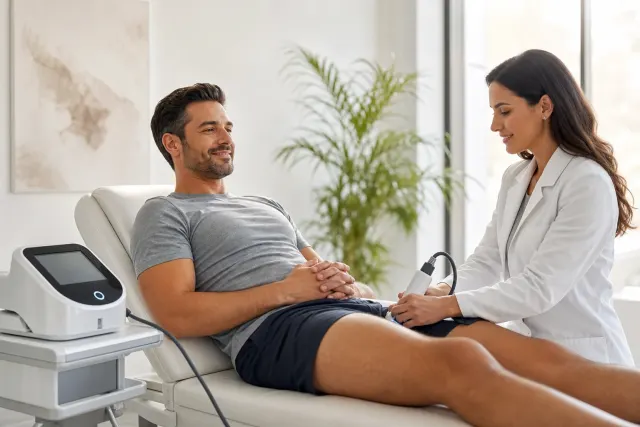
Pelvic floor physical therapy is a highly effective treatment option for managing pelvic pain. A specialized physical therapist can help:
- Identify and release tight pelvic floor muscles that may contribute to pain.
- Improve coordination and strength of pelvic floor muscles.
- Educate patients on proper body mechanics and posture to alleviate pain.
Physical therapy not only addresses the physical aspects of pelvic pain but can also improve sexual function and intimacy by enhancing body awareness and comfort.
3. Counseling and Support Groups
Addressing the emotional impact of chronic pelvic pain is just as important as treating the physical symptoms. Counseling can provide a safe space for women to express their feelings, explore their relationship dynamics, and develop coping strategies. Support groups can also offer invaluable peer support, allowing women to share their experiences and learn from one another.
4. Lifestyle Modifications
Making certain lifestyle changes can also contribute to alleviating pelvic pain:
- Dietary Changes: An anti-inflammatory diet rich in fruits, vegetables, whole grains, and healthy fats can help reduce inflammation and pain.
- Regular Exercise: Engaging in low-impact activities such as walking, swimming, or yoga can improve overall health and reduce stress, which may help alleviate pelvic pain.
- Stress Management: Techniques such as mindfulness, meditation, and deep breathing can help manage stress, which often exacerbates pain conditions.
These changes can enhance the effectiveness of medical treatments and improve overall quality of life.
5. Advanced Medical Treatments
For cases where conservative measures do not provide relief, advanced medical treatments may be necessary. These include:
- Injection Therapies: Treatments such as trigger point injections or nerve blocks can provide targeted relief for pelvic pain.
- Surgical Options: In some cases, surgery may be necessary to remove endometrial tissue, fibroids, or other sources of pain.
- Regenerative Medicine: Techniques such as platelet-rich plasma (PRP) therapy are emerging as potential treatments for pelvic pain, offering new hope for relief.
Each treatment option should be discussed in detail with a healthcare provider to determine the best course of action tailored to the individual’s specific situation.