If you have ever curled up with a heating pad and wondered whether there is a better way to manage period pain, you are not alone. Period cramp relief is one of the most searched topics in women’s intimate health because menstrual cramps can range from mildly annoying to truly disruptive. They can interfere with work, sleep, exercise, concentration, mood, and sex. For some people, cramps are a monthly inconvenience. For others, they shape the entire rhythm of the week around a period.
The good news is that there are practical, evidence-based ways to make cramps more manageable. The better news is that relief often comes from simple strategies used well and consistently. Heat, movement, the right over-the-counter pain medicine, hydration, rest, and better cycle awareness can all make a meaningful difference. At the same time, it is important to be realistic: not all period pain is “just normal,” and some patterns deserve more attention than home care alone.
For a sexual wellness audience, this matters in a bigger way than pain control alone. Menstrual pain can affect body confidence, desire, intimacy, and how connected you feel to your body. When cramps are severe, sex may feel off the table, arousal may be harder to access, and stress around the cycle can build month after month. That is why understanding period cramp relief is part of a broader conversation about comfort, hormonal health, and intimate well-being.
This guide takes a practical, trust-building look at six home remedies and OTC options that may help ease menstrual cramps. We will also cover why period cramps happen, when over-the-counter treatment makes sense, when to check in with a clinician, and how to think about period pain in the context of overall sexual and reproductive health. The goal is not to promise instant perfection. It is to help you build a smarter relief plan.
Why Period Cramps Happen in the First Place
Period cramps happen because the uterus contracts to help shed its lining. Those contractions are triggered by hormone-like substances called prostaglandins. The more prostaglandins involved, the stronger the uterine contractions may feel, which is one reason some periods are much more painful than others. This is also why cramps can come with other symptoms like nausea, back pain, loose stools, or fatigue. The body is not just bleeding. It is actively working through a physiologic process, and for some people, that process is more intense.
For many women, cramps begin shortly before or as bleeding starts and improve over the first one to three days of the period. That pattern is common. But common is not the same as trivial. If pain is strong enough to make you miss work, school, sleep, or normal activities every month, it deserves to be taken seriously.
It is also worth knowing that not all cramping is the same. Primary dysmenorrhea refers to common menstrual cramping without another underlying disease causing it. Secondary dysmenorrhea refers to pain linked to another condition, such as endometriosis, fibroids, adenomyosis, or pelvic inflammatory disease. This distinction matters because home care can help many people, but severe or changing pain should not automatically be dismissed as routine.
1. Heat: One of the Simplest and Most Effective Options
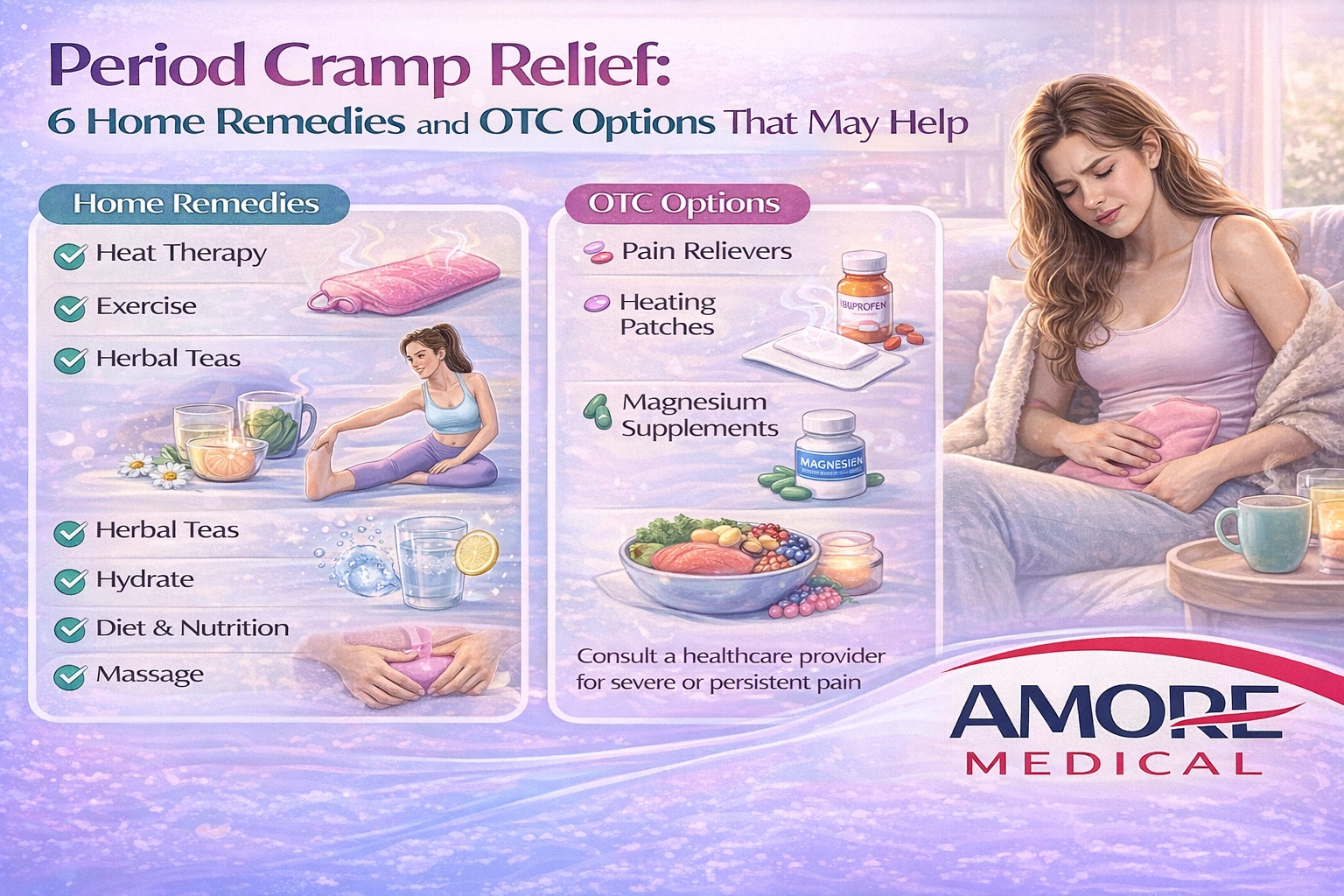
If there is one remedy that consistently shows up in reliable clinical guidance, it is heat. A heating pad, hot water bottle, heat patch, warm bath, or warm shower can help relax the muscles and improve comfort in the lower abdomen and lower back. Heat is often one of the fastest non-drug ways to make cramps more tolerable, which is why so many people rely on it instinctively.
What makes heat so useful is that it is easy to repeat throughout the day and easy to combine with other methods. If your cramps are strongest in the morning, you might start with a warm shower. If they flare during work or school, a heat patch can be more practical. If your body feels generally tense, a warm bath may help both the cramps and the overall stress response that can make pain feel worse.
The key is using heat safely. It should feel soothing, not scalding. If you use a heating pad, avoid falling asleep with it on and protect the skin from direct high heat. The goal is steady comfort, not intense heat that irritates the skin. For many people, this one change alone can noticeably improve period cramp relief.
2. Gentle Movement and Exercise Can Help More Than People Expect
When cramps hit, movement is usually not the first thing people want to do. The natural impulse is to curl up and stay still. Sometimes that is exactly what the body needs for a while. But light exercise can actually help reduce menstrual pain for many people. Walking, easy cycling, swimming, stretching, or a short yoga session may improve blood flow and support the release of the body’s natural pain-relieving chemicals.
This does not mean you need to force yourself through a hard workout while doubled over in pain. Gentle movement is enough. A ten-minute walk, slow stretching, or a few minutes of light mobility can be more realistic and more helpful than trying to “push through” with intensity. The goal is not athletic performance. It is to reduce the feeling of cramping and stagnation that can build when the body is tense.
Some people notice that the hardest part is simply starting. Once the body begins moving, the cramps become a little less sharp or the lower back loosens up. Others prefer movement later in the day after heat or medication has taken the edge off. Either way, exercise belongs in the period pain conversation because it is one of the few remedies that may support both immediate comfort and long-term menstrual health habits.
3. OTC NSAIDs: The Most Common Medication Option for Period Cramps
When home remedies are not enough, over-the-counter pain medicine often becomes the next step. For many people, nonsteroidal anti-inflammatory drugs, or NSAIDs, are the most effective OTC choice for period cramps. This group includes ibuprofen and naproxen. These medicines do more than dull pain. They also reduce the prostaglandins that help drive cramping in the first place, which is why they are often more helpful for menstrual pain than many people realize.
This is an important distinction. Some pain relievers work mainly by reducing the sensation of pain. NSAIDs are often more useful for cramps because they act on the inflammatory chemicals involved in menstrual pain. That is one reason ibuprofen is often considered a stronger OTC choice for cramping than acetaminophen alone.
Still, NSAIDs are not right for everyone. People with certain stomach, kidney, liver, heart, bleeding, or asthma-related concerns should be careful and should follow label directions or ask a clinician or pharmacist if they are unsure. If you already know an NSAID upsets your stomach or conflicts with another medication, do not assume you should just “power through” because it works for other people. The best relief plan is still the one that is safe for your body.
For those who can use them, NSAIDs are often most effective when taken early in the cramp cycle rather than waiting until pain becomes severe. If you already know that cramps hit hard on the first day of bleeding, having the medication ready and using it according to the label may make the day much easier to manage.
4. Acetaminophen and Other OTC Backups
Not everyone can take ibuprofen or naproxen, and not everyone gets enough relief from them. In those cases, acetaminophen may still help some people with milder discomfort, even though it does not work the same way as NSAIDs. It is often easier on the stomach than NSAIDs for some individuals, which can matter if nausea is already part of the period experience.
It is important to be practical here. If your cramps respond best to ibuprofen or naproxen and you can use them safely, those may remain your better first option. But if NSAIDs are not a fit for you, acetaminophen can still have a place in your overall pain plan. What matters most is choosing an OTC option that fits your medical history, following the product label, and not stacking medications casually without understanding what you are taking.
Some people also find that combining an OTC medication with heat works better than either one alone. That is a good reminder that period cramp relief is often most effective when you layer strategies rather than expecting one single fix to carry the entire day.
5. Warm Baths, Relaxation, and Restorative Positioning
Cramps often feel worse when the entire body is tense. That is why warm baths, slow breathing, rest, and comfortable positioning deserve more respect than they sometimes get. Rest does not mean giving up. It means recognizing that the body is already doing something physically demanding and may respond better when it is supported instead of constantly pushed.
Some people find relief by lying on their back with a pillow under the knees. Others prefer lying on their side with the knees bent slightly toward the chest. A warm bath can support both relaxation and heat therapy at the same time. Relaxation practices such as deep breathing, guided meditation, or very gentle yoga may not “cure” cramps, but they can lower the stress response that often makes pain feel more intense.
This can be especially helpful if your period pain comes with anxiety, irritability, or the feeling that your whole body is clenched. Sometimes the nervous system needs calming just as much as the uterus needs relief. Pain is not only physical sensation. It is also shaped by how tense, tired, and emotionally overloaded the body feels in that moment.
6. Massage, Hydration, and Light Supportive Habits
The last category is less dramatic but often surprisingly useful: simple supportive habits that reduce strain on the body. Light circular massage over the lower abdomen or lower back may help some people relax the area and reduce the sense of gripping pain. Hydration can help overall comfort, especially if your period also comes with fatigue, bloating, or headaches. Some people prefer warm beverages because they feel soothing when the abdomen feels tight and unsettled.
These steps are not miracle cures, but they can make the whole experience more manageable. Light meals, warm drinks, gentle stretching, comfortable clothing, and an intentional decision to reduce extra stress during the heaviest cramp window can all help support relief. What often matters most is not whether any one of these habits is dramatic. It is whether they make the body feel less under siege.
In practical terms, many people find that the best approach is a combination like this:
- start with heat early,
- use an OTC option if needed and safe for you,
- take a short walk or do light stretching,
- use massage or a warm bath later in the day,
- rest in a position that takes pressure off the abdomen and back.
That kind of layered routine often works better than waiting until the pain becomes overwhelming and then trying to fix everything at once.
When Period Pain May Be More Than “Just Cramps”
One of the most important parts of this conversation is knowing when to stop treating cramps as routine. Menstrual pain can be common and still deserve more attention. If your cramps are suddenly much worse than usual, keep getting worse over time, or regularly interfere with your ability to function, that is worth talking about.
It may be time to check in with a clinician if:
- pain keeps you from work, school, or normal daily activities,
- OTC medication and heat are not helping enough,
- the pain is new, much stronger, or no longer fits your usual pattern,
- you also have very heavy bleeding, pain with sex, pelvic pain outside your period, or unusual bleeding between periods,
- you suspect conditions like endometriosis or fibroids may be part of the picture.
These signs do not automatically mean something serious is wrong, but they do mean you may need more than home care. Sometimes people normalize severe period pain for years because it happens every month. But severe pain is still pain, and it deserves real attention.
How Period Pain Connects to Sexual Wellness
At first glance, cramps may not seem related to a sexual wellness practice, but the connection is real. Period pain affects the way people feel in their bodies. It can change desire, make touch feel less welcome, increase anxiety around intimacy, and leave someone feeling drained or disconnected. If every cycle is associated with dread, pain, and a sense of physical shutdown, that affects more than the uterus. It affects confidence and quality of life.
At Amore Medical, sexual health is about more than one symptom or one gendered issue. Intimate wellness includes comfort, body confidence, hormone-related changes, and the ability to feel like your body is working with you rather than against you. Understanding period cramp relief fits naturally into that broader mission because pain control is part of quality of life, and quality of life shapes intimacy.
For some people, the most powerful shift comes from finally recognizing that painful periods are not something they have to silently endure forever. They can be managed. And if they are severe, they can be evaluated.
Building Your Own Relief Plan
One of the most useful things you can do is stop treating each painful cycle like a surprise attack. If your cramps tend to follow a pattern, build a plan before the pain starts. Have your preferred heat source ready. Keep OTC medication on hand if it is safe for you to use. Know which kind of movement helps you most. Set yourself up with hydration, comfortable clothes, and time to rest if needed.
A good period relief plan is not complicated. It is simply intentional. And intention makes a difference because it reduces the panic and frustration that often come when cramps arrive and you are trying to figure everything out in the moment.
Final Thoughts
Period cramp relief often works best when it is practical, layered, and consistent. Heat, gentle movement, NSAIDs when appropriate, acetaminophen as a backup for some people, warm baths, massage, relaxation, hydration, and supportive rest all have a place. Not every method will work equally well for every person, but most people can find a combination that makes their cycle much more manageable.
Just as important, severe or changing cramps should not be brushed off forever. If your pain is intense, disruptive, worsening, or paired with other symptoms, it is worth asking whether something more than routine menstrual cramping is going on. Better information makes that easier to recognize.
The goal is not to pretend periods should feel perfect. The goal is to help your body feel supported, respected, and less overwhelmed by pain. That is a meaningful part of intimate health, and it is worth taking seriously.