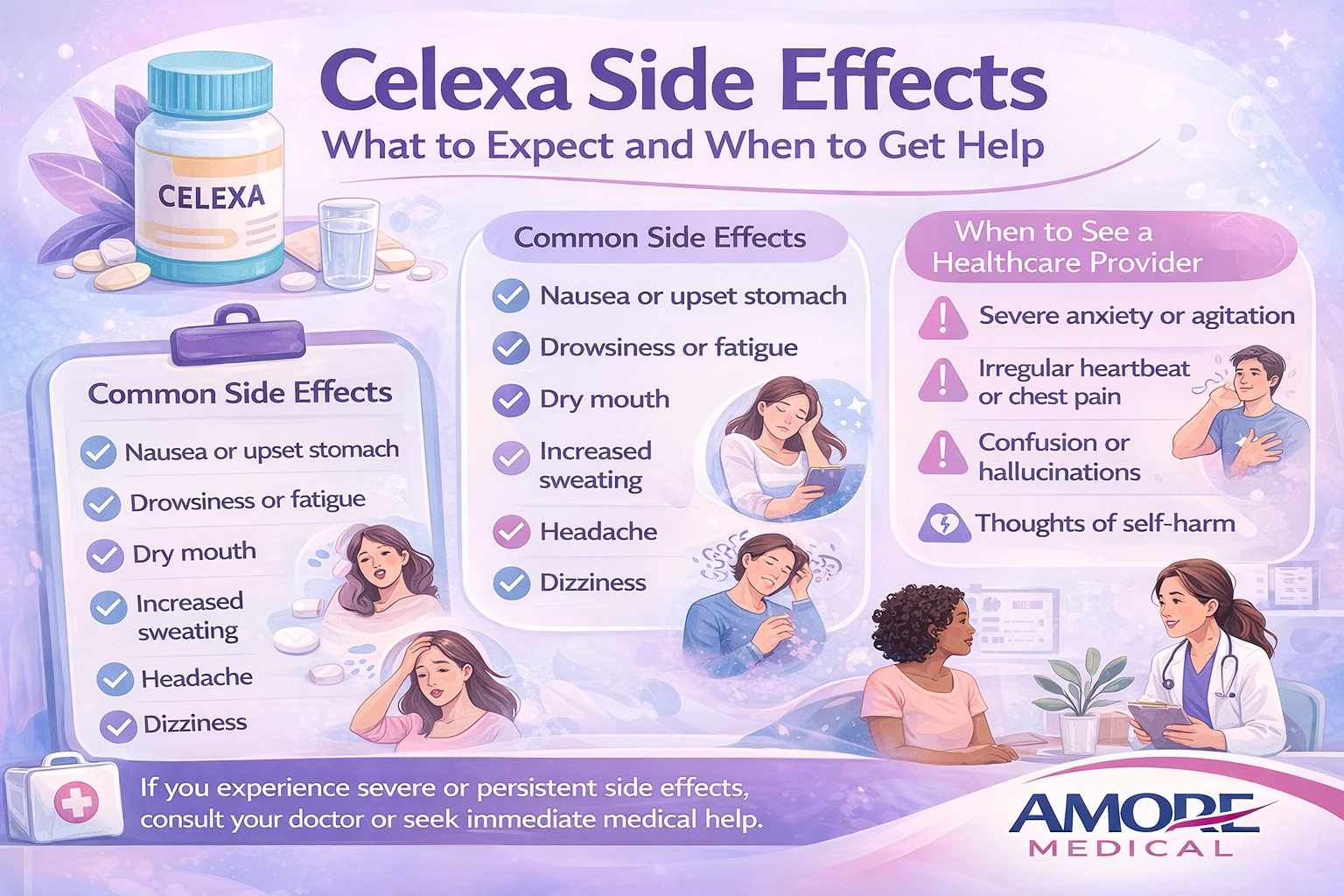
If you have been searching for celexa side effects, chances are you want a clear, practical explanation without a lot of medical jargon. That is a reasonable goal. Starting an antidepressant can feel like a big step, and one of the most common concerns is not just whether the medication will help, but how it may affect your body, your mood, your energy, and your sex life along the way.
Celexa, the brand name for citalopram, is a selective serotonin reuptake inhibitor, or SSRI. It is commonly prescribed for depression, and like other medications in this category, it can cause side effects that range from mild and temporary to more serious and worth immediate attention. Some people experience only a few manageable changes. Others notice more disruption, especially during the first few weeks or after a dose adjustment. Neither experience is unusual.
For a sexual wellness audience, this topic matters even more because some of the most frustrating Celexa side effects involve desire, arousal, erections, ejaculation, and orgasm. People are often willing to talk about nausea or sleep changes, but much less likely to bring up sexual symptoms, even when those symptoms are affecting confidence, intimacy, or relationship satisfaction. That silence can leave people feeling confused or alone when, in reality, these effects are well recognized and worth discussing openly.
This guide explains what to expect, which symptoms may ease as your body adjusts, which changes deserve a conversation with a clinician, and when symptoms cross the line into urgent or emergency territory. The goal is not to alarm you. It is to help you recognize patterns, track what changes over time, and know when to reach out rather than just waiting and hoping things improve on their own.
What Celexa Is and Why Side Effects Happen
Celexa works by increasing serotonin signaling in the brain. That can help improve mood for many people, but serotonin is involved in more than depression symptoms. It also affects sleep, appetite, digestion, energy, sweating, and sexual function. That is why side effects can show up in several different parts of the body at once.
Many people notice side effects most strongly at the beginning of treatment. That does not necessarily mean the medication is a bad fit. It often means the body is adjusting. At the same time, it is important not to dismiss every symptom as “normal” if it feels severe, emotionally overwhelming, or physically concerning. There is a big difference between a mild early adjustment and a side effect that needs medical review.
This is where perspective helps. A new medication can cause temporary discomfort without being dangerous. But it can also create symptoms that should not be ignored. Understanding that distinction can make the experience less stressful and help you respond more confidently.
Common Celexa Side Effects Many People Notice Early
When people look up Celexa side effects, they often want to know what is common enough to expect. The most frequently discussed effects include stomach upset, sleepiness, trouble sleeping, sweating, fatigue, and sexual side effects. Some people feel a little off for the first week or two and then improve. Others notice one category more than another, such as sleep changes or sexual changes.
Common early symptoms may include:
- nausea or stomach discomfort,
- drowsiness or daytime sleepiness,
- insomnia or difficulty falling asleep,
- fatigue,
- increased sweating,
- sexual side effects such as lower libido or orgasm changes.
These symptoms can be unsettling, especially when they show up all at once. Someone may start the medication hoping for mood relief and instead feel tired during the day, wired at night, less interested in sex, and a little nauseated. That combination can make it hard to tell whether the medication is helping or hurting in the short term. The important thing is not to judge too quickly from the first few days alone, while also not minimizing symptoms that feel intense or persistent.
It can help to keep a simple timeline. Ask yourself what changed first, whether the symptoms are steady or improving, and whether anything is interfering with daily life, intimacy, sleep, work, or appetite. These details make follow-up conversations much more useful.
Celexa Side Effects and Sexual Health
For many readers on a sexual wellness site, the sexual side of this conversation matters the most. Celexa side effects can include changes in desire, arousal, erections, ejaculation, and orgasm. These effects are common enough that they should never be treated like a strange or embarrassing exception.
In men, sexual side effects may include lower sex drive, difficulty getting or keeping an erection, and delayed or absent ejaculation. In women, they may include lower desire, delayed orgasm, or difficulty reaching orgasm. Some people also describe sex feeling less spontaneous, less responsive, or emotionally more distant even when affection and attraction are still present.
This can be especially frustrating because the medication may be helping mood while at the same time making sexual connection harder. A person may feel less depressed but also less interested in sex. Or they may feel mentally willing but physically slower to respond. That mismatch can create confusion for both partners if no one talks about it directly.
One of the most important things to know is that sexual side effects are not “just in your head.” They are recognized medication effects. That means they are legitimate, discussable, and worth bringing up with a clinician. You do not need to wait until they become severe or relationship-damaging to ask questions. If intimacy matters to you, that is reason enough to talk about it.
It is also worth remembering that mood improvement itself can eventually help sexual well-being in some people. Depression can lower libido, reduce pleasure, and increase relationship strain even before any medication is started. So sometimes the picture is mixed: mood may improve while the medication also creates new sexual challenges. That is exactly why personalized follow-up matters.
Which Celexa Side Effects May Ease With Time
Many antidepressant side effects are strongest at the beginning and may soften as the body adapts. That does not happen in every case, and not every symptom improves at the same pace, but it is common enough that early side effects are often not the final story.
People often notice that symptoms like mild nausea, sleepiness, or feeling a little “off” can become more tolerable over time. Sleep patterns may settle. Energy may stabilize. The early adjustment phase may feel more manageable after a couple of weeks than it did in the first several days.
Sexual side effects are more complicated. Some people notice improvement over time, but others find that lowered desire, erection problems, or orgasm changes continue longer. In some cases, those symptoms are the main reason someone wants to revisit treatment options. That does not mean you should stop on your own. It means it may be time to have a more direct conversation about balancing mental health treatment with sexual quality of life.
If a side effect is improving, you usually notice a trend. If it is not improving, or is getting worse, that trend matters too. Looking at the pattern over several days or weeks can tell you far more than one difficult night or one discouraging sexual experience.
When to Call a Clinician Instead of Waiting It Out
A lot of medication advice online falls into two extremes: either “don’t worry, it’s normal” or “call immediately for everything.” Most real situations fall somewhere in the middle. A useful question is not just whether a symptom exists, but whether it is persistent, worsening, or interfering with daily life.
It makes sense to contact your clinician if:
- side effects are not easing after the first few weeks,
- you are struggling with severe insomnia or overwhelming fatigue,
- your sex drive drops sharply and stays low,
- you develop erection problems, delayed ejaculation, or orgasm problems that are upsetting or affecting your relationship,
- you feel emotionally numb, unusually restless, or significantly worse rather than better,
- you are tempted to stop the medication on your own because the side effects feel unmanageable.
This is especially important in sexual medicine. Many patients do not mention sexual side effects unless a clinician asks first. But these symptoms are often among the most meaningful when it comes to quality of life. If the medication is improving one part of life while harming another in a major way, that is exactly the kind of tradeoff worth reviewing.
Red Flags That Need Urgent or Emergency Attention
Some Celexa side effects are not just annoying. They are warning signs. Chest pain, shortness of breath, severe dizziness, fainting, fast or irregular heartbeat, or a sense that your heart is racing or skipping beats should not be ignored. Celexa carries a known heart-rhythm warning, especially at higher doses or in people with certain risk factors, which is one reason dosing decisions should always be handled carefully.
Other symptoms that deserve urgent evaluation include:
- fever, sweating, confusion, agitation, hallucinations, muscle stiffness, twitching, or loss of coordination,
- seizures,
- unusual bleeding or bruising,
- signs of a serious allergic reaction such as swelling of the face or throat, trouble breathing, hives, or blistering rash,
- new confusion, severe unsteadiness, or thinking and memory problems that feel sudden or pronounced.
These symptoms can signal rare but important problems such as serotonin syndrome, abnormal bleeding, a serious allergic reaction, low sodium, or a heart rhythm issue. These are not the kinds of symptoms to “watch for a few more days” without getting help. If they happen, the safer move is to get prompt medical advice.
Mood Changes, Suicidal Thoughts, and Early Treatment Risk
This is one of the most serious parts of the conversation and one that deserves direct language. Like other antidepressants, citalopram carries a warning about suicidal thoughts and behaviors, especially in children, teenagers, and young adults under age 24. The risk is highest during the first few months of treatment and around dosage changes.
That does not mean the medication will cause suicidal thinking in most people. It means the possibility is important enough that patients, family members, and partners should know what to watch for. Warning signs can include worsening depression, new thoughts of self-harm, severe agitation, panic, unusual irritability, aggressive behavior, acting impulsively, or a dramatic increase in restlessness or emotional intensity.
If those changes appear, take them seriously. This is not the moment to worry about overreacting. It is the moment to contact a clinician promptly or seek urgent help if safety feels uncertain. If someone is in immediate danger or talking about harming themselves, emergency services or crisis support is appropriate right away.
Why Dose, Heart History, and Other Medications Matter
One reason a medication review matters so much is that Celexa side effects do not happen in isolation. Risk can change based on dose, age, liver function, heart history, and what other medicines or supplements a person is taking. Celexa has a dose-dependent QT warning, meaning the risk of certain heart-rhythm problems can increase as blood levels rise.
This is why clinicians may be more cautious in older adults, people with certain cardiac conditions, people with low potassium or magnesium, or people taking other drugs that affect the heart’s electrical rhythm. It is also why some people need closer monitoring, dose adjustments, or a different medication strategy altogether.
Your medication list matters in other ways too. Combining Celexa with certain serotonergic drugs can increase the risk of serotonin syndrome. Combining it with blood thinners, aspirin, ibuprofen, naproxen, or similar medications can increase bleeding risk. This does not mean you should panic about every combination. It means your prescriber and pharmacist need the full picture.
Do Not Stop Celexa Suddenly on Your Own
When side effects become frustrating, it is tempting to quit quickly and hope the problem disappears. But stopping Celexa suddenly can create its own set of problems. Withdrawal or discontinuation symptoms can include anxiety, irritability, mood changes, restlessness, sleep changes, headache, sweating, nausea, dizziness, shaking, confusion, and electric shock-like sensations.
These symptoms can be distressing enough that people sometimes mistake them for a new illness or a sudden relapse. That is why the safer approach is to talk with the prescribing clinician before making changes. If the medication needs to be reduced or stopped, a supervised taper is usually much easier on the body than stopping abruptly.
This is especially important when sexual side effects are the issue. Many people want relief fast, but the better path is still a planned one. There may be alternatives, timing strategies, dose adjustments, or medication changes worth discussing rather than trying to solve the problem alone.
How This Fits Into Sexual Wellness and Relationship Health
On a sexual wellness site, the bigger issue is not just whether a side effect exists. It is how it affects intimacy, confidence, and connection. A medication side effect can easily become a relationship issue if neither partner understands what is happening. Someone with lower desire may worry they are no longer attracted to their partner. Someone with new erection difficulty may feel embarrassed and avoid sex altogether. Someone who cannot orgasm may feel frustrated, guilty, or emotionally shut down.
These experiences are common, and they are often more manageable when they are named clearly. “This may be medication-related” is a very different story from “something is wrong with me” or “something is wrong with us.” That shift in understanding can reduce shame and open the door to solutions.
At Amore Medical, these are the kinds of conversations that matter. Sexual health is not separate from the rest of your health. If a medication is helping mood but changing your libido, erections, orgasm, or overall sense of intimacy, those effects deserve thoughtful attention. Sometimes the answer is medication adjustment. Sometimes it is a broader review of hormones, stress, relationship patterns, or erectile function. What matters is that your concerns are taken seriously.
Final Thoughts
Celexa side effects can range from manageable early changes like nausea, sleepiness, sweating, or insomnia to more meaningful issues like sexual dysfunction, emotional worsening, or heart-rhythm symptoms that need urgent attention. The key is not to panic over every symptom, but also not to minimize changes that are persistent, distressing, or unsafe.
If you are taking Celexa and noticing changes in libido, erections, ejaculation, orgasm, energy, sleep, or mood, pay attention to the pattern. Ask whether the symptoms are improving, staying the same, or worsening. Do not assume you have to quietly tolerate side effects that are affecting your quality of life. And do not stop the medication abruptly without guidance.
The most helpful approach is usually the simplest one: stay observant, stay honest, and stay in communication with your clinician. That is how treatment becomes more personalized, safer, and more sustainable. When mental health and sexual health are both part of the conversation, you are much more likely to end up with a plan that actually supports your overall well-being.